
Dry Vaporizer Waterpipe Guide: Smooth Hits, Better Flavor, and Less Harshness
Posted by Delta3DStudios on Jul 14th 2026
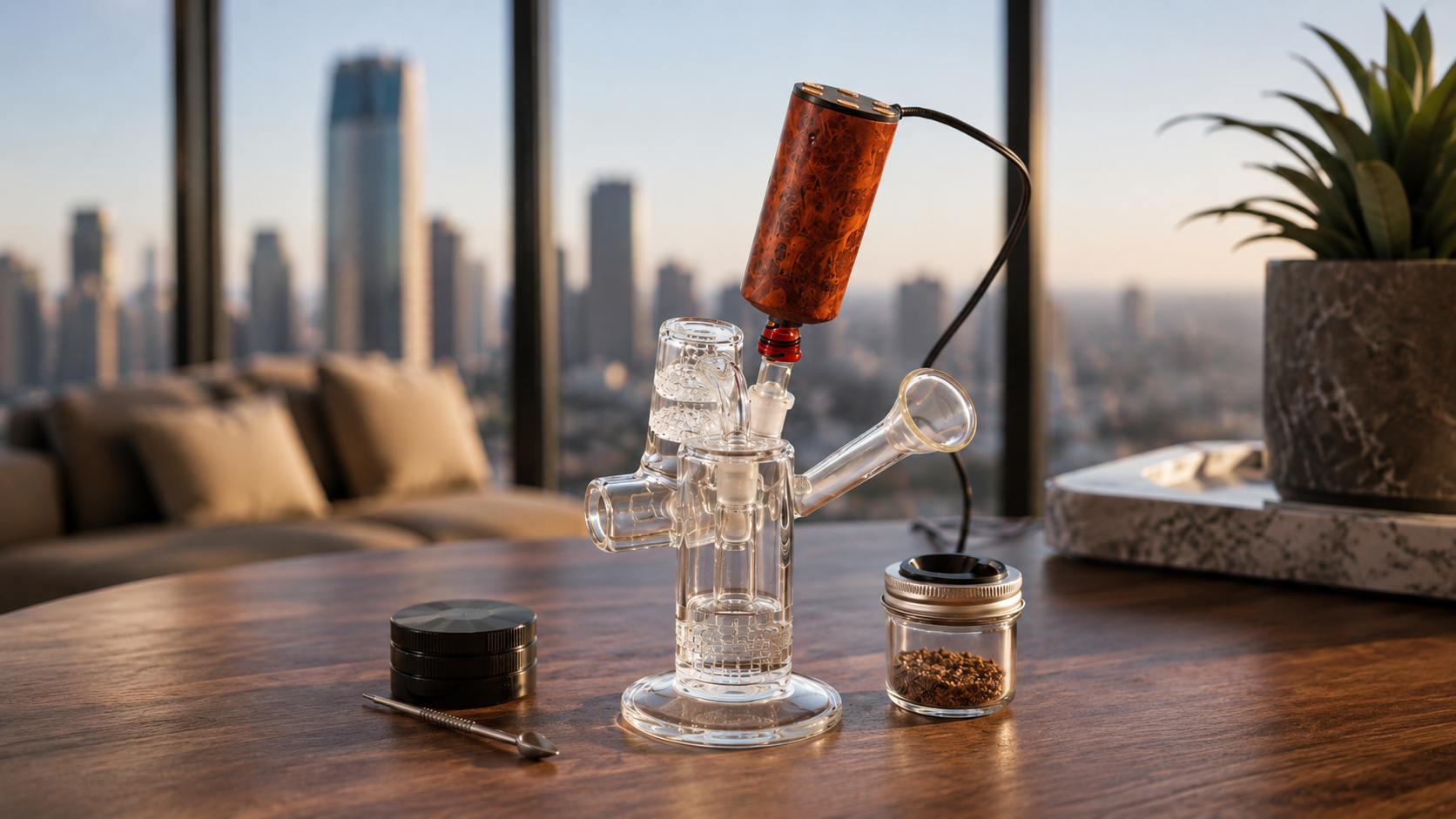
Using a dry vaporizer through a waterpipe can completely change the experience. Sometimes it's to achieve a smoother rip, other times it is to achieve better flavor. And sometimes you want to mute all the flavor to turn a great session into warm air with vibes.
The important thing to understand is this: a waterpipe is not just a cooling tool. It is a flavor-control tool. Depending on the setup, you can preserve flavor, soften harsh vapor, or intentionally reduce flavor when you are vaporizing something rough, strong, or unpleasant.
This guide is focused on waterpipes and glass setups for dry vaporizers. I am not going deep into aftermarket dry cooling stems here, because that is a whole separate rabbit hole. For this article, we are talking about water, diffusion, glass path, reclaim, and how to tune the setup to match what you actually want.
Start with the goal: how smooth do you want the rip?
There is no single “best” waterpipe setup for every vaporizer or every person. Part of the fun is switching things up and getting a completely different experience from the same device.
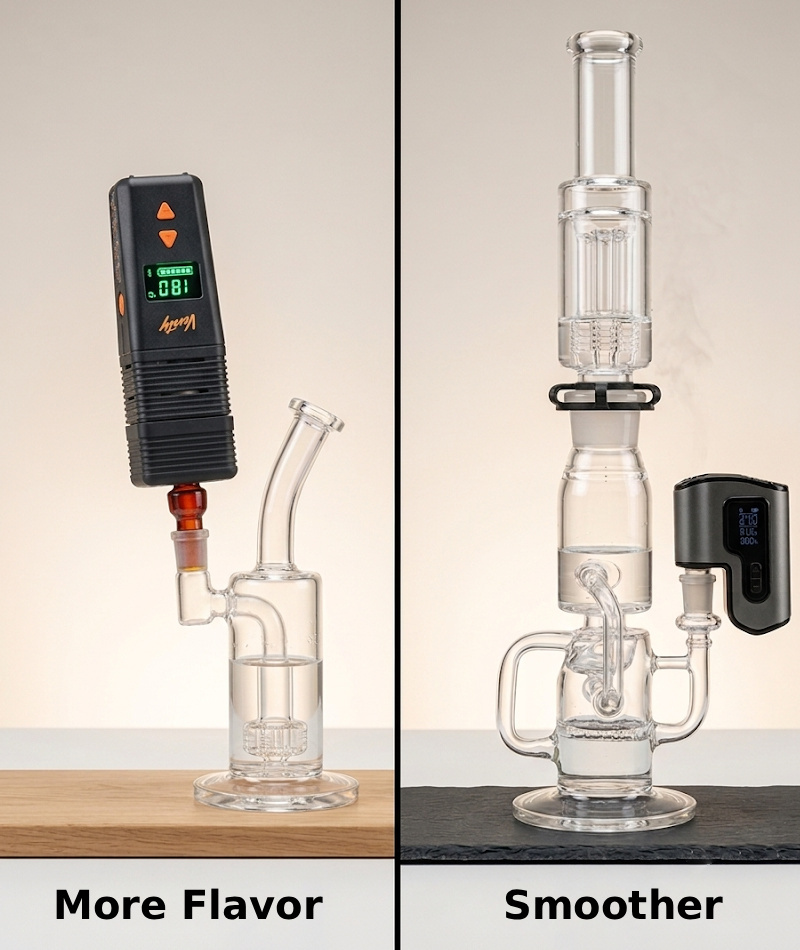
If you want maximum flavor, you usually want less water, less diffusion, and shorter glass path. If you want maximum smoothness, you usually want more water interaction, more diffusion, and possibly more than one water chamber. If you want to intentionally reduce flavor because the material tastes harsh, that is a different goal entirely.
Think of it like a spectrum. Dry glass keeps the most flavor. A small waterpipe with a simple diffuser keeps a lot of flavor while adding moisture and comfort. More diffusion makes the vapor smoother but less flavorful. Multiple water chambers can strip the flavor heavily, which can be useful sometimes, but it is not what I would choose for flavor chasing.
Water vs dry glass
Glass can be used dry or with water, and both can be enjoyable.
Dry glass cools vapor mainly by adding surface area and distance between the heater and your lips. That can make the vapor more comfortable without removing much flavor. Some people enjoy using an empty waterpipe this way, and j-hooks are popular for the same reason.
Water changes the experience more. It cools the vapor, adds moisture, and helps collect some of the resinous material that condenses out of the vapor stream. This can make the rip feel smoother and less dry, but it can also reduce flavor and leave reclaim behind in the glass.
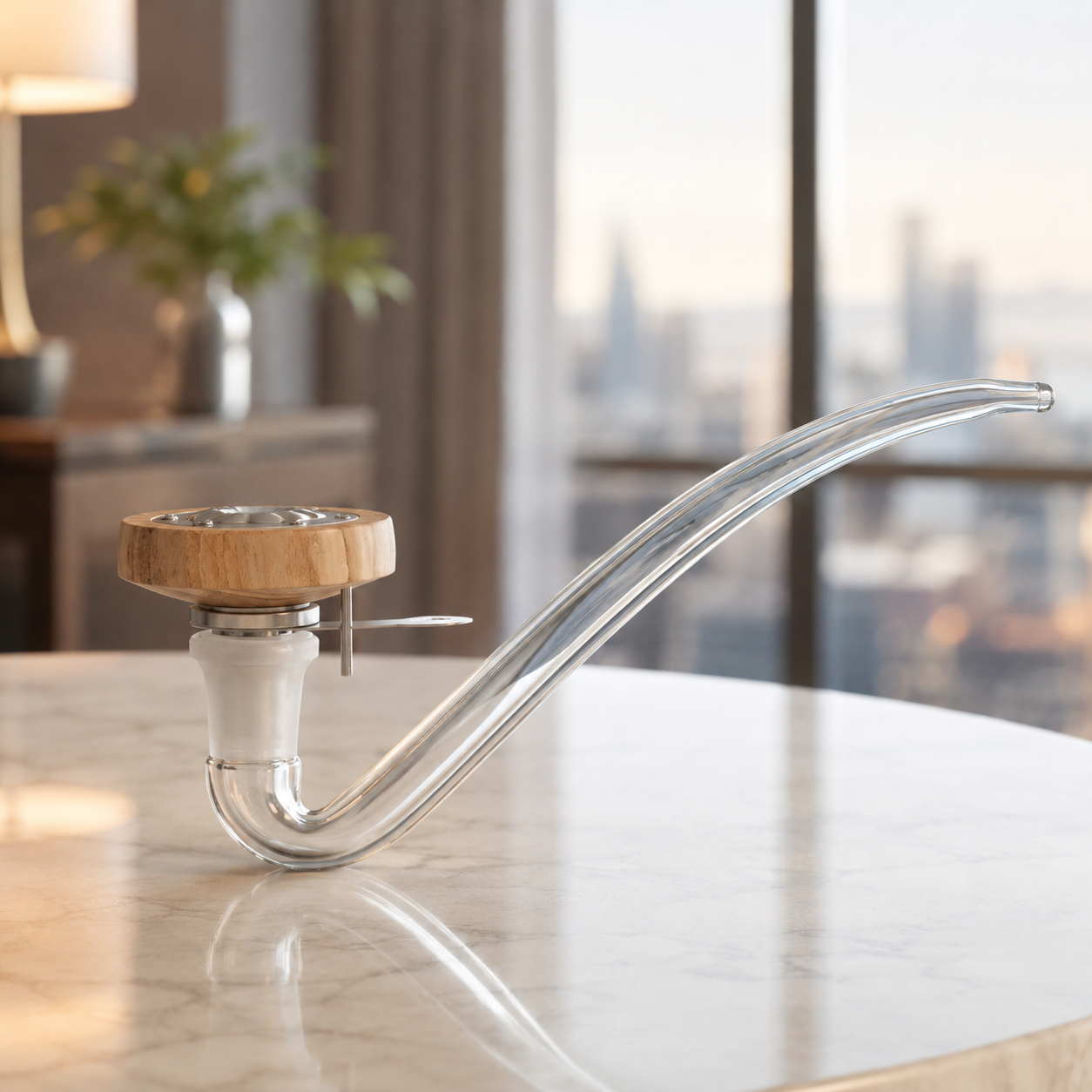
One of my personal favorite vaporbonging setups is a j-hook with just a tiny pinch of water in the crook of the hook. It creates a very small natural percolator effect, adds just a little moisture, and still preserves most of the flavor. The soothing purring sensation from the perc can even travel back to your lips, which sounds silly until you try it.
That said, this article is mostly about waterpipes, because once you start adding water chambers and percolators, the setup becomes much more tunable.
Warm water is usually better than cold water for dry vaporizing
This is where dry vaporizing differs from smoking. With smoking, people often reach for ice or cold water because they are trying to physically chill hot smoke. With dry vapor, the problem is often different. The vapor can feel dry and irritating, and water helps by adding moisture as much as by cooling.
For dry vaporizers, I generally prefer room-temperature or slightly warm water. Warm water can make the vapor feel smoother because it adds moisture without shocking the vapor cold.
Cold water, ice, frozen glycerin coils, and freezable inserts can feel fun, but they are not always the best choice for dry vapor. Cold causes vapor to condense into larger droplets or particles, which can feel harsher. It also encourages more reclaim to form on the glass before the vapor reaches your lips, which can make the hit feel weaker while still feeling sharper on the throat.
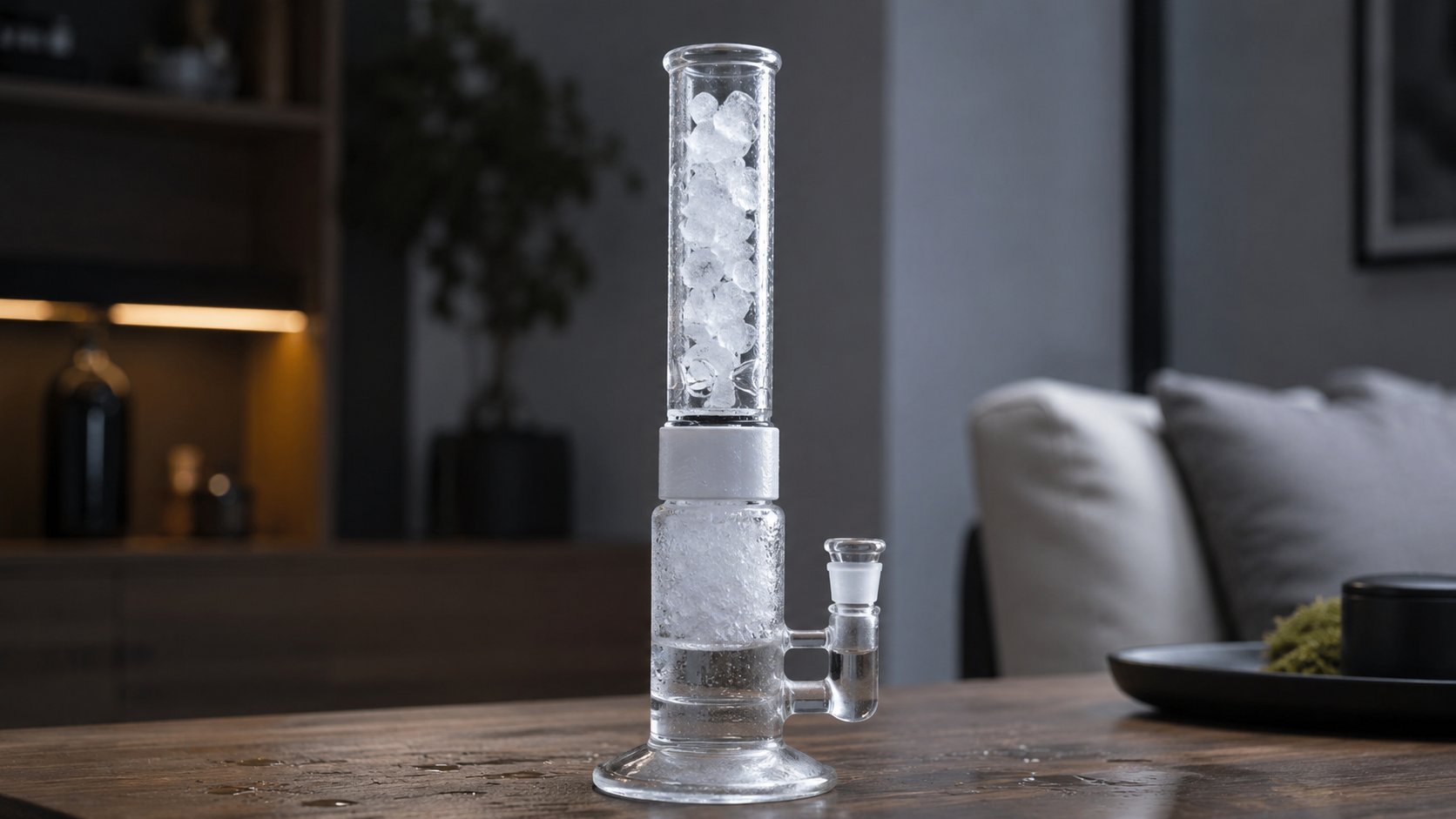
That does not mean cold setups are never enjoyable. Some people love them. But if your goal is smooth dry vapor with good flavor, cold water and ice are not automatically an upgrade. In many cases, they are the reason your glass gets dirty faster and the vapor feels oddly harsher even though it is technically cooler.
Diffusion is the real flavor control
When people talk about waterpipes, they often focus on size. For dry vapor, size is not the main thing. Diffusion is the main thing.
Diffusion is the process of breaking the vapor stream into bubbles as it passes through water. More bubbles means more surface area contacting the water. That usually means smoother vapor, but it also means more flavor loss and more opportunity for vapor to condense into reclaim inside the glass.
A simple diffuser or matrix perc can be excellent for dry vapor. In my experience, matrix-style diffusion can be a nice balance because it cools and smooths the vapor without always feeling like it over-strips the flavor. But the exact result depends heavily on the glass design, water level, and how hard you draw.
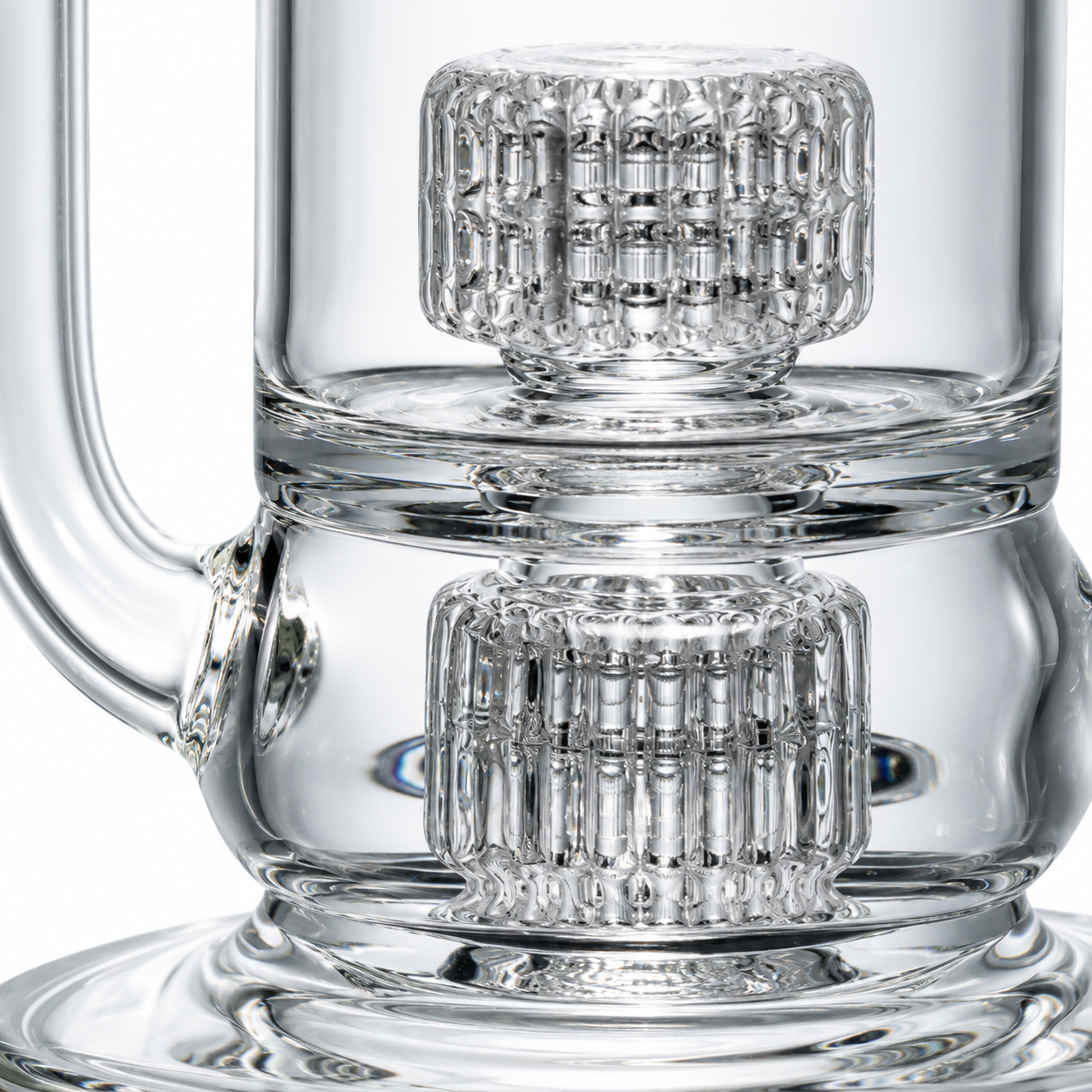
One detail that matters more than beginners realize is how cleanly the diffuser is made. Many cheaper import glass (especially those made with soda-lime glass) uses rough cut slits with sharp edges. Those sharp edges can catch bubbles and cause the perc to fire unevenly. Better borosilicate glass is often flame-polished after cutting, which rounds and smooths the edges and helps air flow more evenly through the diffuser.
This is also why two pieces that look similar online can perform very differently in real life. A perc that fires evenly usually feels smoother and more predictable. A perc that only fires from one side or floods awkwardly can feel draggy, splashy, or just annoying.
More bubbles = smoother vapor, but less flavor
The simple rule is this: more diffusion usually means smoother vapor, but less flavor.
If you are vaporizing good flower and want to taste it, I usually recommend a smaller waterpipe with a simple diffuser and a modest water level. You do not need a giant multi-chamber science project just to take comfortable dry vapor hits.
If you are vaporizing something harsher, like certain hashes or reclaim oil, then reducing flavor can become a feature instead of a downside. That is when more diffusion starts making sense.
Recyclers are worth mentioning here too. They are very popular in concentrate setups, but they can be hit or miss for dry vaporizers. A good recycler requires skilled glasswork and the right draw speed to function properly. Many cheaper recycler-style pieces look pretty but do not vortex or drain correctly. They can also require harder draw speeds than many dry vaporizers really want.
Diffusion pumps are another interesting design. They use a marble-style check valve and can retain more flavor than you might expect, but they usually need a stronger draw to function and they can be loud because the marble clinks around during use. Cool design, not always the best match for every dry vaporizer.
Want to reduce flavor? Use more water chambers
This sounds backwards if you are thinking like a flavor chaser, but sometimes the goal is not to preserve flavor. Sometimes the goal is to make the vapor easier to tolerate.
Some vaporizables like hash or reclaim oil can be strong, harsh, or just unpleasant tasting. In that situation, extra diffusion can be useful because it intentionally reduces flavor and smooths out the experience.
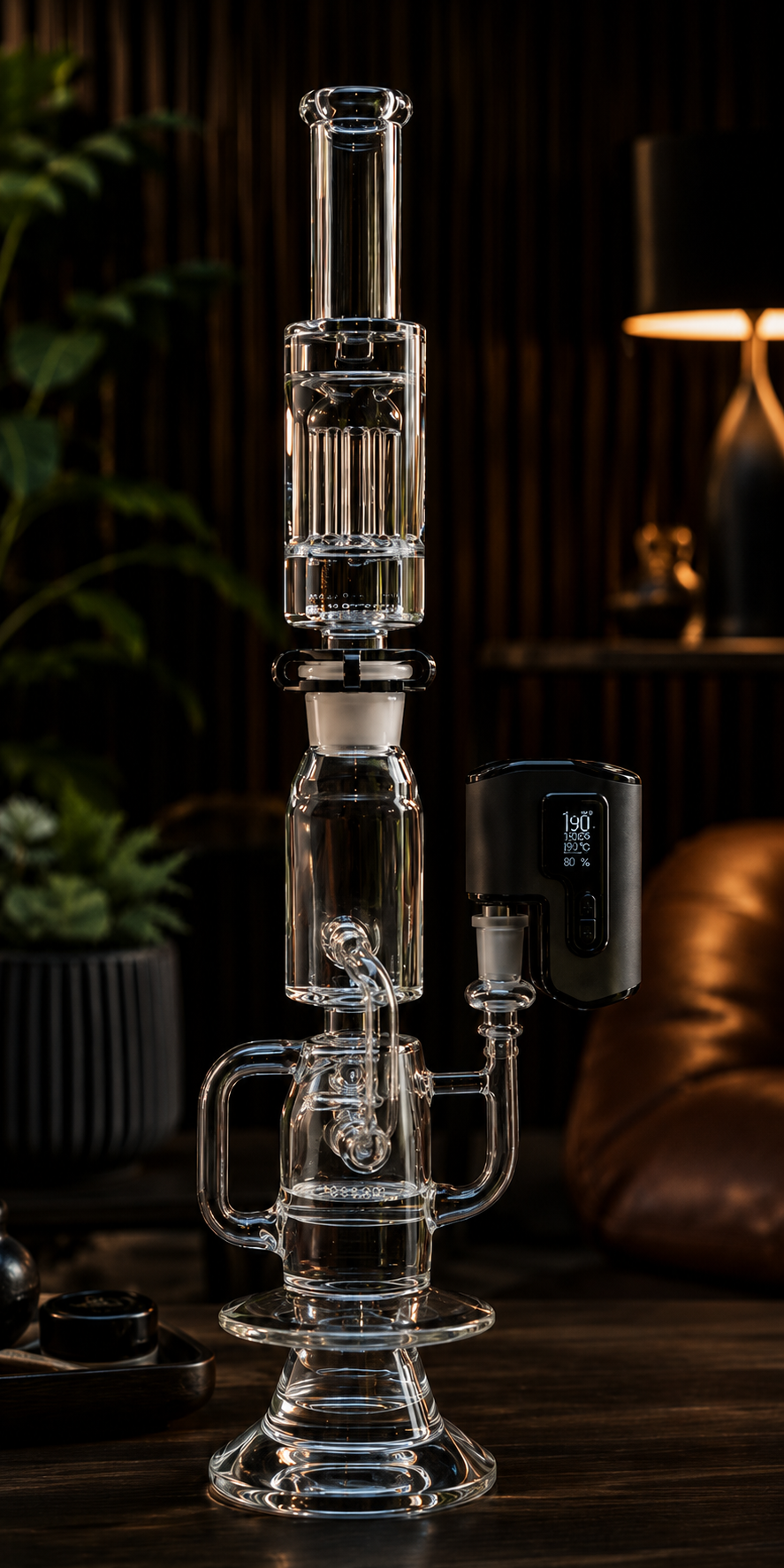
Multiple water chambers are the key. Each water chamber increases the contact between vapor, bubbles, water, and glass. In my experience, that flavor loss stacks quickly. By the time vapor passes through three or more water chambers, it can become almost flavorless.
The easiest way to create that kind of setup is usually with a waterpipe plus an ash catcher attachment. The ash catcher adds another chamber before the vapor even reaches the main waterpipe. That can be overkill for tasty flower, but it can be very handy when you actually want to reduce flavor as much as possible.
So the practical rule is not “more chambers are better” or “more chambers are worse.” The practical rule is: more chambers give you more filtration and more flavor reduction. Whether that is good or bad depends on what you are vaporizing and what kind of session you want.
Water level matters more than people think
Water level is one of the easiest ways to change the feel of a setup. Too little water and the perc may not fire properly. Too much water and you increase drag, increase splash risk, and may end up with the dreaded bong-water kiss on the lips. Nobody asked for that.
As a starting point, add just enough water to cover the perc or diffuser so it functions correctly. Then adjust from there. A little less water can preserve more flavor and reduce drag. A little more water can smooth the vapor, as long as you do not overfill the piece.
Also pay attention to splashback. Some waterpipes include a second dry chamber or splash guard above the water chamber, and that can be useful. It does not necessarily add more water filtration, but it can help keep water from reaching the mouthpiece.
Glass stability matters too
When you connect a dry vaporizer to glass, the waterpipe is no longer just a piece of glass. It becomes the base for a device that may be heavy, tall, hot, or awkwardly balanced.
I personally like smaller to medium oil-rig style waterpipes with the joint on the top or center of the piece. That tends to keep the vaporizer centered over the base, which feels more stable. Side-mounted joints can work, but they can also make the setup more tippy, especially with larger portable vaporizers.
This is one reason adapter style matters. A rigid device-specific waterpipe adapter can be great when you want the vape to sit firmly on the piece. A flexible silicone adapter can be smarter when you need a forgiving fit, portability, or one adapter that works across multiple devices.
If you are carrying a small water tool on the go, the shape and storage matter even more. Compact inline water tools can be easier to travel with, especially if you have a slim case or protective carry setup that actually fits the piece.
Dual vaporizer setups: cool idea, but match your vapes
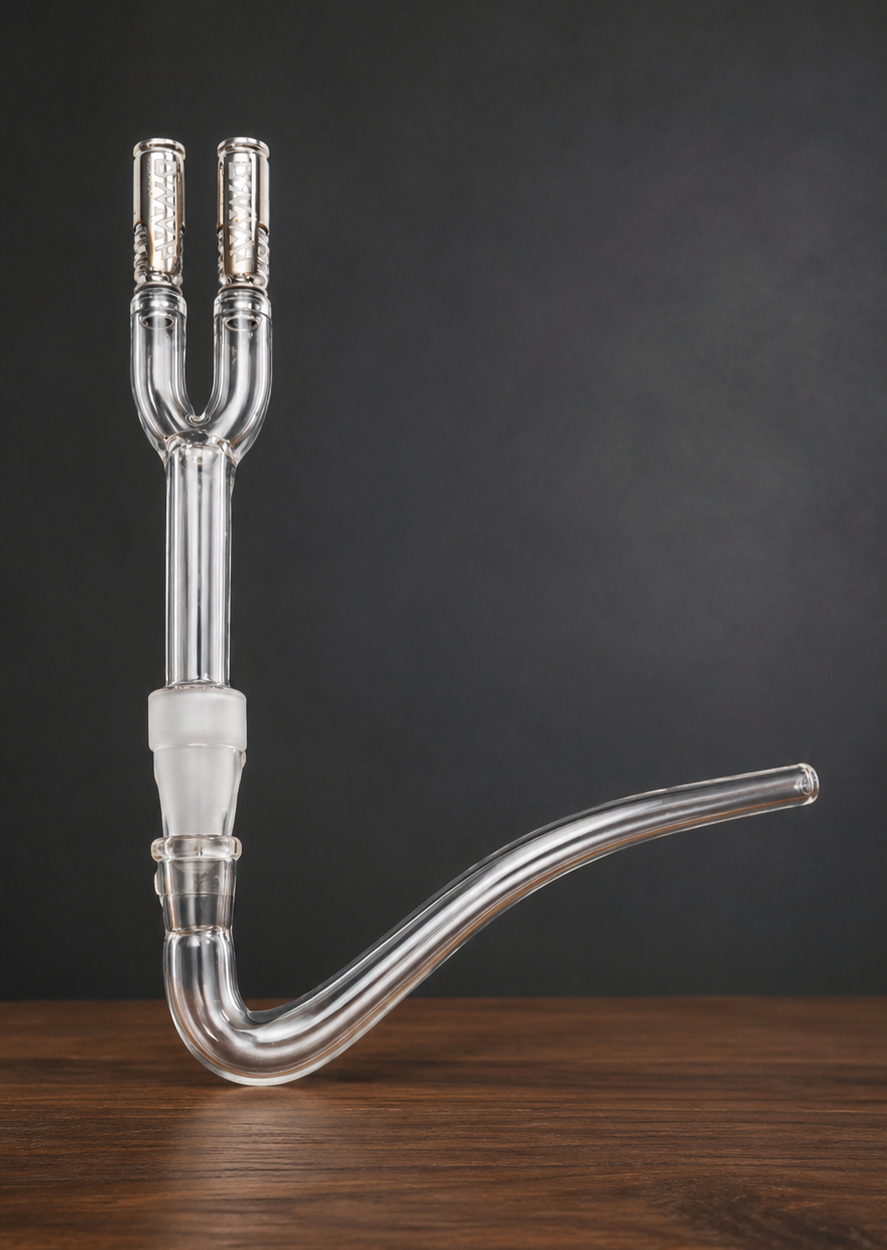
Some people like the idea of connecting two dry vaporizers to one waterpipe at the same time. This is possible with a Claisen adapter, which is a Y-shaped glass adapter that lets two inputs feed into one joint.
The big mistake is using two different vaporizers. Airflow follows the path of least resistance. If one vaporizer pulls easier than the other, most of the airflow will come through the easier side, while the more restrictive vaporizer barely contributes. That can make the setup look impressive while performing worse than expected.
For a dual vaporizer setup to work properly, you really want two identical vaporizers with matching stems, screens, loads, and similar restriction on both sides. Even then, small differences matter. A dirty screen, tighter pack, different adapter, or lower battery level can shift the airflow balance.
Also keep stability in mind. A Claisen adapter plus two vaporizers adds weight and leverage above the waterpipe. This is not the setup I would build on a tiny, tippy piece of glass. Use a stable base, support the glass when connecting or removing devices, and do not leave hot vaporizers hanging off an unstable setup.
Dual vaporizer setups are more of an advanced experiment than a beginner recommendation, but they can be fun when built correctly. Just remember: matching airflow matters more than simply plugging two devices into the same adapter.
Whip vaporizers can use waterpipes too
Not every vaporizer connects directly to glass from the body. Whip-style vaporizers can use waterpipes too, but the connection method is different.
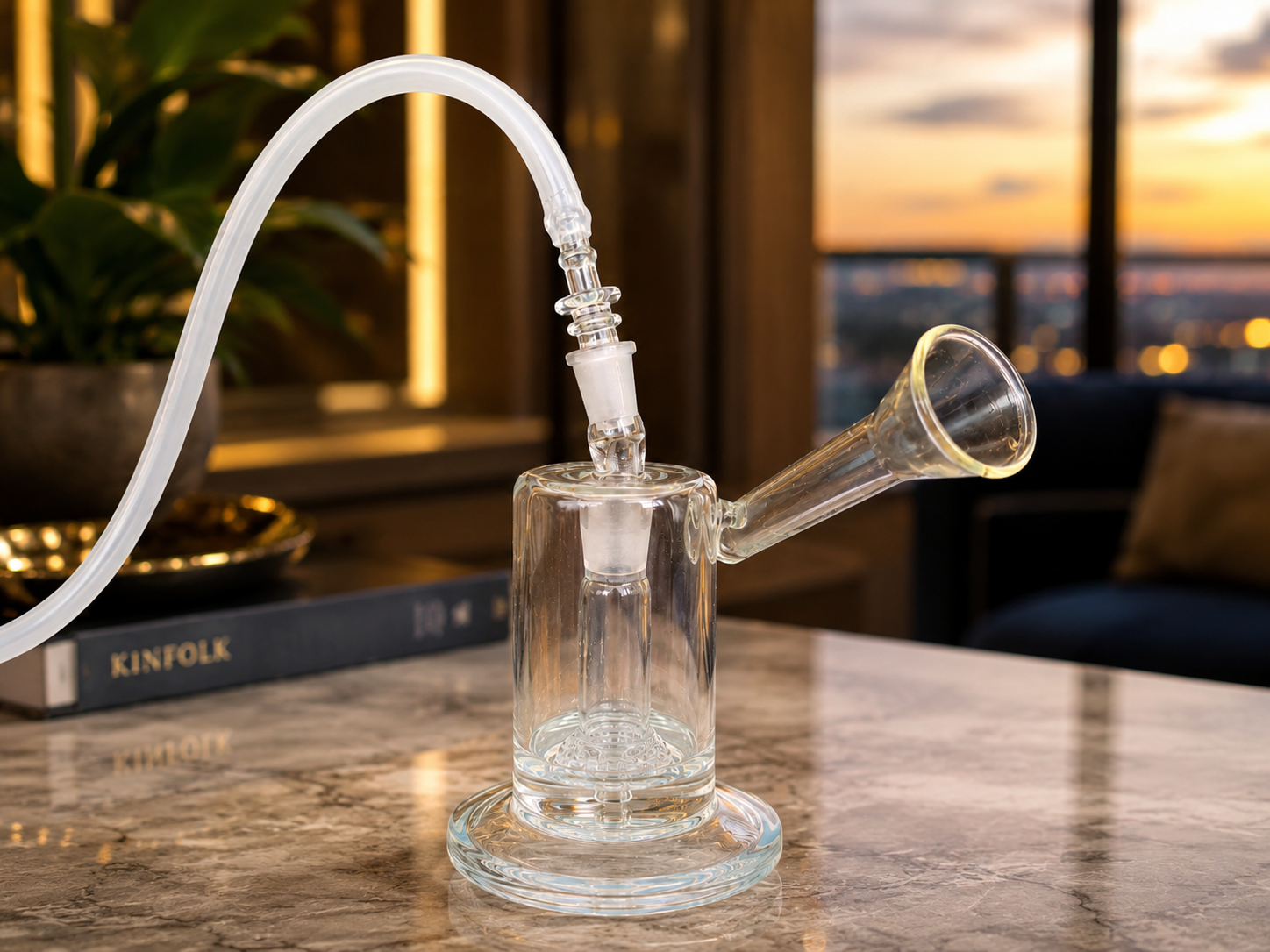
For those setups, a glass whip-to-waterpipe adapter is a popular option. Instead of putting the vaporizer directly on the waterpipe, you connect the whip to a glass adapter and plug that into the waterpipe. This can be a clean way to add water filtration to desktop or whip-based vaporizers.
We offer a premium glass whip to 14mm waterpipe adapter made by JoDa Glassworks for this exact kind of setup.
Keep reclaim and debris under control
Any time you cool vapor through glass, some material will condense and collect as reclaim. That is normal. More cooling, more water contact, and more diffusion generally means more buildup in the piece over time.
Dirty glass can make vapor taste worse and smell rougher, so keeping the piece reasonably clean matters. You do not need to be obsessive, but if your water smells bad or the glass looks nasty, it is past time to clean it.
Some people use RezBlock or cranberry-extract additives to help keep glass cleaner where water contacts the surface. It can be useful, but I would still treat it as maintenance help, not magic. You still need to change the water often and clean the piece regularly.
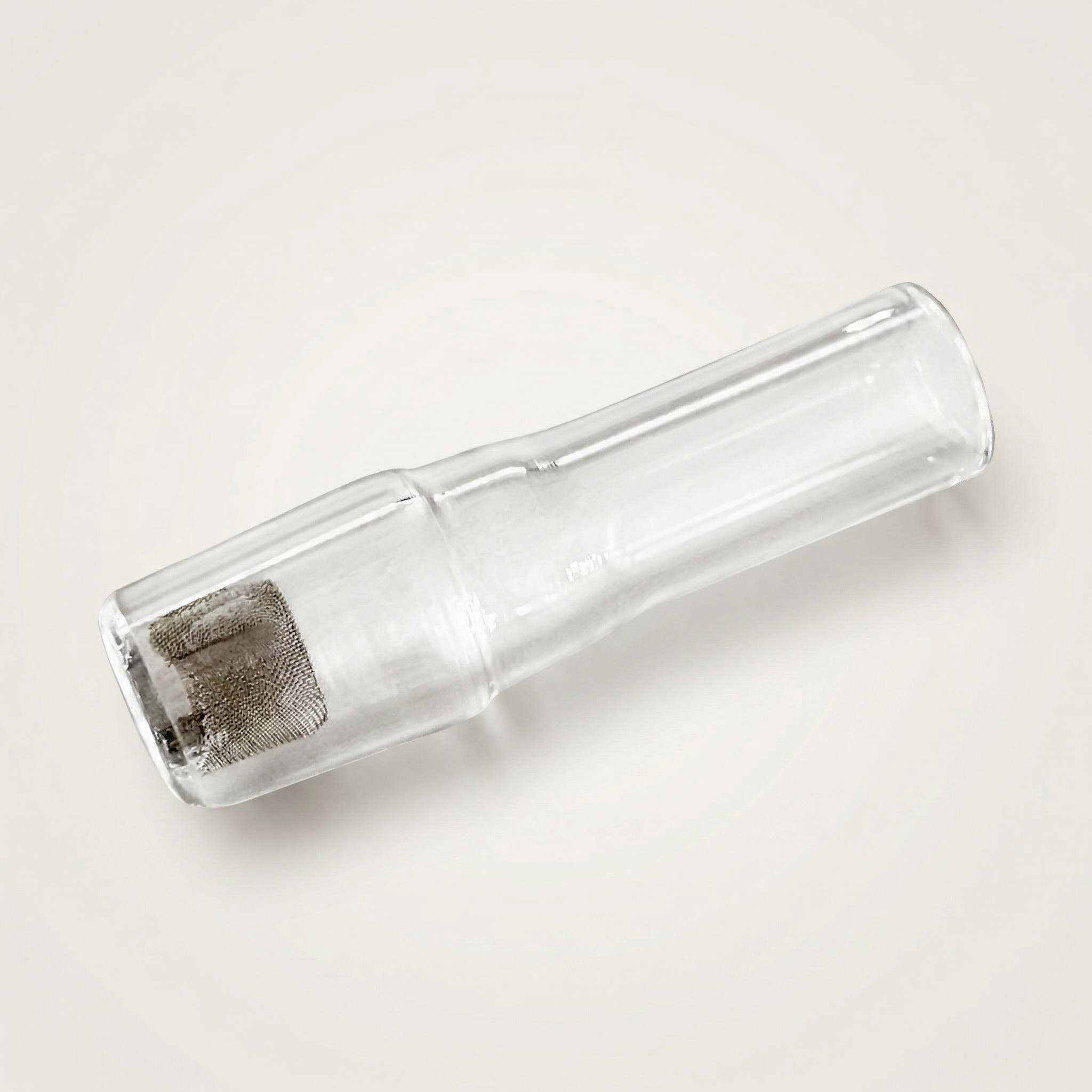
One of my favorite little tricks is using a 12mm deep basket screen inside an 18mm male adapter as a simple debris catcher. Vaporbonging can clog screens faster, especially if your grind is fine or your device is pulling harder through water. A secondary basket screen helps catch loose material before it ends up floating in the water.
This is a small upgrade, but it helps keep the water cleaner for longer and makes the whole setup feel less gross between cleanings.
Quick setup recipes
If you want maximum flavor, use dry glass or a small waterpiece with minimal diffusion, room-temperature or slightly warm water, and a low enough water level to avoid over-filtering the vapor.
If you want a smooth daily setup, use a small to medium waterpipe with a simple diffuser or matrix-style perc, enough water to cover the perc, and keep the glass clean.
If you want maximum flavor reduction, use more water chambers. A dual-chamber waterpipe plus an ash catcher attachment can create a three-chamber path that heavily smooths and mutes the vapor. This can be useful for some vaporizables like hash or reclaim oil, but it is probably overkill if you are trying to taste good flower.
If the vapor still feels harsh, try warm water, slow down your draw, make sure your screens are clean, and avoid ice. A sip of tea or coffee before a big rip can also help soothe the throat. It is not fancy, but it works.
Need help connecting your vaporizer to glass?
Waterpipes are not one-size-fits-all. The right setup depends on your vaporizer, your adapter, your glass, your material, and what kind of experience you want that day.
If you are chasing flavor, keep it simple. If you want smoother vapor, add water and diffusion. If you want to reduce flavor heavily, add more water chambers. There is no single correct answer, and honestly, switching setups is part of the fun.
If you need an adapter, you can browse waterpipe adapter options here.
Need help connecting your vaporizer to glass? Browse our waterpipe adapters or contact us and we’ll help point you in the right direction.